A Rainy Arrival Evening with No Reservations
Plan a rainy arrival evening with no reservations: get dry, find a nearby meal, and keep the first night flexible without adding another travel day.

The most common mistake on a rainy arrival evening with no reservations is treating the first night like a normal sightseeing night; the cost is a wet walk, a rushed meal, and a room you barely get to use. A better plan is a short sequence of low-demand choices, with permission to stop once the useful things are done.
Imagine you reach a small hotel in Portland after a delayed train, carrying a damp jacket and a bag that has spent the day under a seat. You have no dinner booking, the rain is steady, and the neighborhood is unfamiliar. This invented situation is a worked example, not a report of a real trip: the aim is to get dry, fed, and oriented without turning the evening into another itinerary.
Make Arrival Smaller
At check-in, ask the front desk two narrow questions: where can you get a simple meal nearby, and is there a covered or well-lit route to it? Treat the answer as a lead rather than a promise. Check current hours and kitchen service on the restaurant’s own site or by phone.
Decide what counts as a successful evening before leaving the lobby. Here, it is a dry room, something warm to eat, and enough information to get back without relying on a phone with a low battery. A museum visit, a scenic detour, and a hunt for a celebrated noodle shop are not part of the assignment.
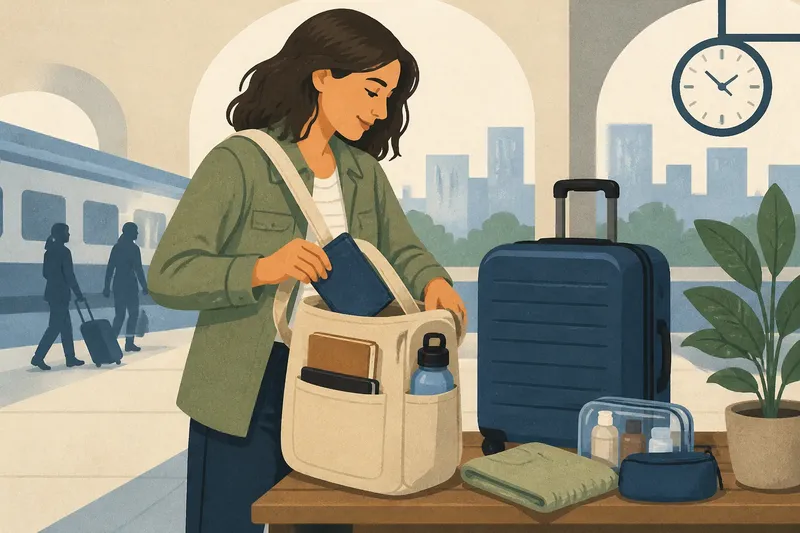
If the room is ready, go there first. Put the day bag on a chair rather than the bed, hang the wet jacket where it can dry without blocking a heater or exit, and keep the passport, room key, and charging cable together in one visible place. If the room is not ready, ask whether the hotel can hold your luggage and let you wait in the lobby or a nearby café.
Choose Dinner by Friction
For the first meal, distance matters less than the decisions and exposed minutes involved. A counter-service café, neighborhood diner, or small grocery with prepared food may suit the evening better than a popular restaurant across town. Choose somewhere you can reach, enter, order from, and leave without negotiating a complicated outing.
Use this quick filter before setting out:
- Hours: Check whether the place is open and whether its kitchen is still serving. If both are confirmed, consider it; if not, call or choose another option.
- Route: Look for a clear walking route, not just a short line on a map. If it uses well-lit streets and manageable crossings, keep it; if not, ask the hotel for another option or choose delivery.
- Entry: Check whether you can order at a counter or wait indoors. If so, it may be easy to leave when you are ready; if not, choose a simpler place.
- Food: Check the menu for something you are willing to eat and any dietary needs you must accommodate. If it fits, keep the option; if it does not, check a grocery or another menu before going out.
- Return: Note the street name, a visible landmark, and the hotel entrance. If those are clear, save the route or address; if not, ask staff how to identify the entrance before leaving.
- Weather: Check whether the walk has deep puddles, exposed crossings, or shelter near the entrance. If the route feels manageable, take an umbrella or rain shell; if it does not, use a nearby shop, hotel food, or a suitable transport option.
Say the café across the street has stopped serving hot food, while a diner several blocks away is still open. You check its current hours, confirm that the route follows lit main streets, and choose it over a farther restaurant with a wait. The expected observable result is a meal and a clear return to the hotel, with enough energy left to unpack only what you need.
Rain changes the practical meaning of “nearby.” A short route with deep puddles, a confusing intersection, or no shelter at the entrance can feel less convenient than a slightly longer walk along a covered arcade. If the weather or route feels uncomfortable, ask the hotel about takeaway or delivery, or choose food from a nearby market. There is no prize for eating in a dining room on the first night.
Keep the Route Plain
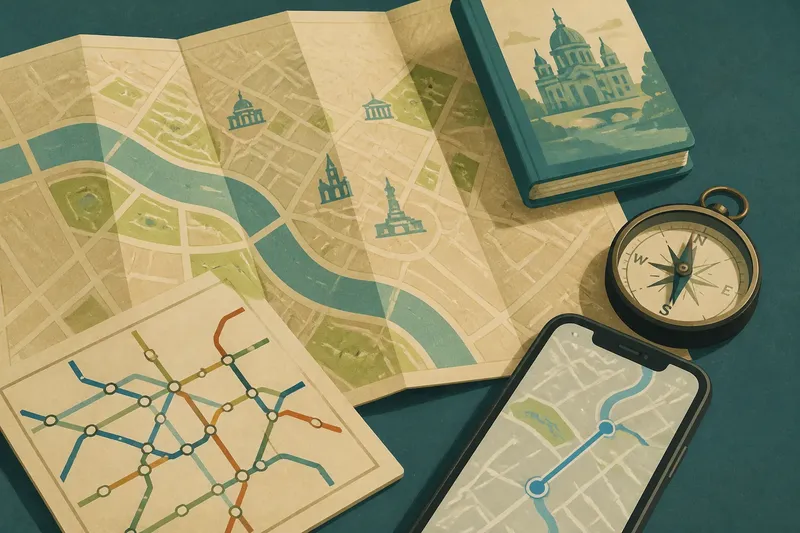
Use the map app already on your phone to check the route, then note the destination and one or two turns in a form you can recall without staring at the screen. Save the address or take a screenshot while you have a connection. A hotel business card or a note in your phone can help with the return, especially if the entrance is beside another business.
Keep the outing bounded. Take a compact umbrella or hooded rain shell, wear shoes suited to wet pavement, and bring the room key and the payment method you expect to need. Leave the rest of your luggage in the room. This is a dinner errand, not a chance to carry everything you packed through the rain.
If a route is poorly lit, unexpectedly crowded, or difficult to cross, change the plan rather than pressing on because a map drew a line. Ask staff for another nearby option or use a reputable taxi or ride-hailing service if appropriate where you are. Local transport and street conditions vary, so use ordinary caution and follow local guidance.
First-Night Questions
Should you unpack after checking in?
Unpack only what will make the night and next morning easier: sleepwear, toiletries, medication you normally use, and a clean layer. Leave the rest in the bag until you know what the room needs and how long you will stay.
What if nearby restaurants are closed?
Ask the hotel about a grocery, convenience store, room-service option, or delivery service that is open now. If you choose delivery, confirm the building entrance and where the driver can meet you before placing the order.
Is it worth going out in heavy rain?
Not if the route or weather makes the trip uncomfortable or unclear. Choose food from the property, a nearby shop, or a transport option you can use confidently, and save the neighborhood walk for better conditions.
What should you do if you arrive before the room is ready?
Ask whether the hotel can store your bags and where you can wait indoors. If that is not possible, find a nearby café or covered public space, keep valuables with you, and return at the time staff suggest.
Close the Evening Gently
After dinner, return directly to the hotel. Put wet outerwear somewhere it can dry safely, charge your phone, set out the clothes and essentials you will need in the morning, and check the next day’s first commitment. If there is no early commitment, do not invent one merely to make the arrival feel productive.
In the invented Portland situation, the starting point is a delayed train, steady rain, a damp jacket, and no dinner booking. The traveler first checks in and asks staff for a nearby meal and a usable route, then goes to the room, puts the bag on a chair, and leaves the jacket to dry safely. They check the diner’s hours, confirm the lit route, bring only an umbrella, room key, and payment method, eat, and return by the noted streets. The resulting tradeoff is a simple meal rather than a more ambitious restaurant, with the evening left open for rest.
Before turning in, keep one small fallback visible: a snack, a bottle of water, or the hotel’s front-desk number. It helps if you discover you are still hungry, need assistance with the room, or simply do not want to go back out. A low-demand night works best when the next reasonable choice is already close at hand.